




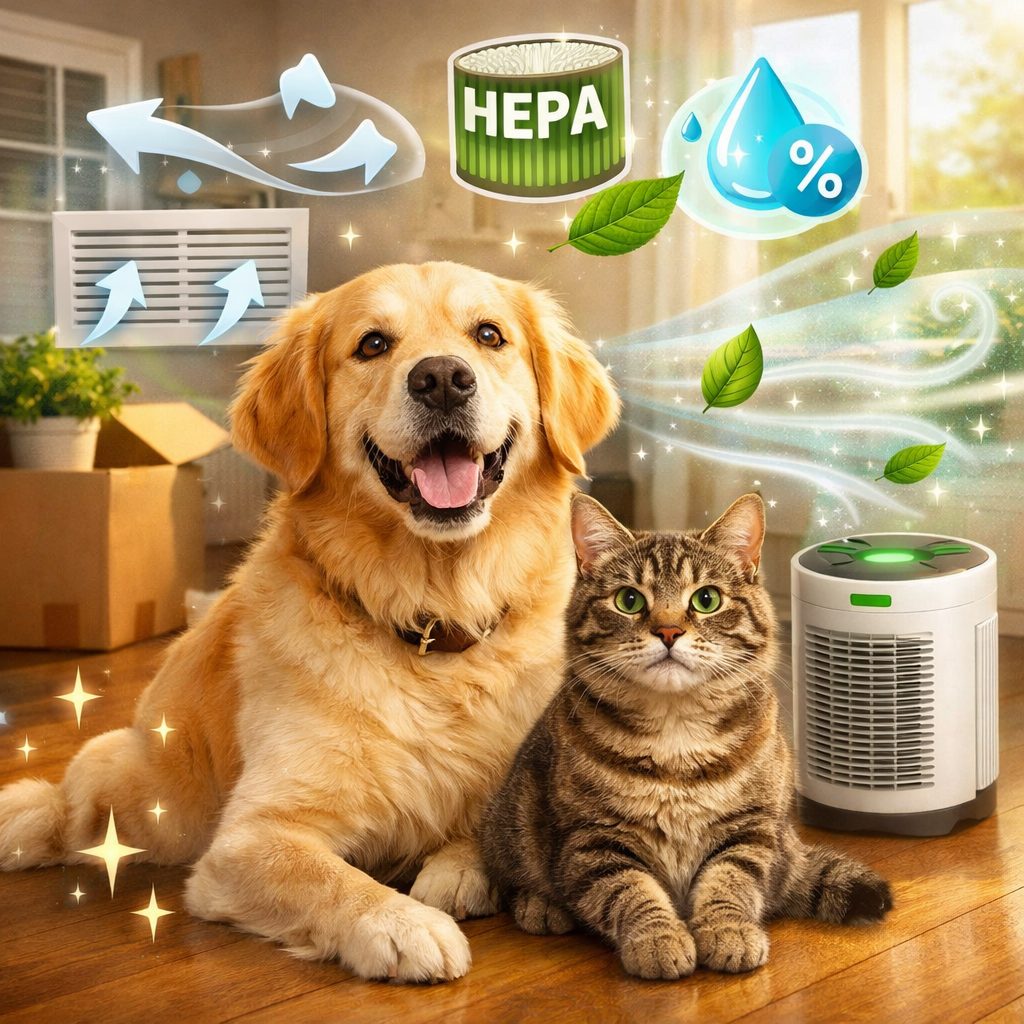
Moving into a brand-new home represents an exciting milestone, but the actual transition can prove incredibly overwhelming for both you and your four-legged companions. While you are busy unpacking boxes, arranging furniture, and setting up utilities, it is easy to overlook an invisible variable that profoundly impacts your family. Indoor air quality often deteriorates significantly during a move because airborne particles, stagnant dust, and chemical residues get stirred up throughout the entire process. For animals, who breathe at a much faster rate than humans and spend their lives closer to the floorboards, this sudden environmental shift can trigger immediate health complications. Preparing the atmosphere of your new residence is not just a matter of basic comfort; it is a fundamental aspect of responsible pet ownership. By taking proactive measures to sanitize the air, you can ease your pet’s transition, reduce their moving-related anxiety, and protect their respiratory health. This comprehensive guide will walk you through the essential steps to audit, clean, and optimize your new living space so your animals can breathe easily from their very first day.
Assessing the Baseline Air Quality of Your New Living Space
Before you release your animals into their new environment, you must conduct a thorough evaluation of the property’s existing atmospheric condition. Every house carries a unique history, which often includes hidden remnants from previous occupants, such as embedded dander, microscopic mold spores, or residual chemical vapors. Start your assessment by inspecting the entire HVAC system, paying close attention to the cleanliness of the air ducts (tooele air duct cleaning) and the state of the existing furnace filters. If the previous owners kept animals, their specific dander could still be circulating through the ventilation system, ready to trigger allergic reactions in your own pets. Look closely for signs of recent renovations, as fresh paint, newly installed carpeting, and modern cabinetry frequently emit volatile organic compounds for several weeks. Walk through each room to check for dampness, musty odors, or visible water stains, particularly in basements, under sinks, and around window sills. Identifying these underlying environmental hazards immediately allows you to address them systematically before they can compromise your pet’s sensitive lungs. Taking the time to establish this baseline ensures that your subsequent purification efforts will be targeted, highly efficient, and completely successful.
Eradicating Moving Dust and Residual Toxins Through Deep Cleaning
The physical act of moving inevitably kicks up massive clouds of settled dust, packing material fibers, and outdoor debris that quickly compromise indoor air. To combat this sudden influx of airborne irritants, you must execute a strategic, top-down deep cleaning regimen before your pets settle into the space. Begin by dusting high surfaces like ceiling fans, light fixtures, and window moldings, ensuring that falling debris is captured rather than recirculated. Utilize a vacuum cleaner equipped with a certified HEPA filter to thoroughly clean all carpets, rugs, and baseboards where allergens love to hide. Standard vacuums often release smaller particles back into the room, whereas HEPA-rated models trap tiny pollutants securely within their filtration chambers. Avoid conventional, harsh chemical cleaners that contain ammonia, bleach, or synthetic fragrances, because these substances release toxic fumes that irritate animal airways. Instead, opt for natural alternatives like distilled white vinegar, baking soda, and plant-based soaps to sanitize your floors and countertops safely. By eliminating both physical dust and chemical residues simultaneously, you create a pristine foundation that supports long-term respiratory wellness for your entire household.
Implementing Advanced Filtration and Air Purification Strategies
Once the physical surfaces are entirely clean, you must focus your efforts on continuously purifying the airborne environment that your pets inhabit. The most effective way to achieve pristine conditions is by upgrading your home’s central HVAC filter to a high-efficiency model. Look for filters with a high Minimum Efficiency Reporting Value, which indicates a superior ability to capture minuscule particles like pollen, mold, and dander. In addition to upgrading your central system, you should strategically deploy standalone air purifiers in the rooms where your animals spend most of their time. Select purifiers that feature a true HEPA filter paired with an activated carbon pre-filter, a combination that successfully traps physical particles while neutralizing stubborn odors. The activated carbon layer is particularly vital for pet owners, because it actively absorbs gaseous pollutants, pet pheromones, and lingering chemical fumes. Position these units in open areas where airflow is unrestricted, making sure cords are safely tucked away to prevent curious animals from chewing them. This dual-layer filtration strategy ensures that your indoor environment remains consistently clean, fresh, and free from microscopic triggers.
Balancing Humidity Levels and Optimizing Fresh Ventilation
Maintaining the ideal balance of humidity and fresh airflow is another crucial pillar of managing indoor air quality for your domesticated animals. Indoor humidity levels should ideally hover
between thirty and fifty percent to prevent the proliferation of dust mites and toxic mold colonies. If your new home feels excessively damp, run a dehumidifier in problematic zones like basements to discourage mold growth that can severely damage animal lungs. Conversely, if the indoor air is exceptionally dry, it can parch your pet’s nasal passages, leading to chronic coughing and irritated skin. In dry environments, utilizing a cool-mist humidifier can restore optimal moisture levels safely without creating a burn hazard for curious paws. Additionally, you should take advantage of natural ventilation by opening windows on clear days to flush out stagnant indoor pollutants and replace them with fresh oxygen. When opening windows, always double-check that all safety screens are securely fastened so your pets cannot accidentally escape or fall. This careful management of moisture and ventilation prevents atmospheric stagnation, creating a vibrant, comfortable, and highly breathable sanctuary.
Conclusion: Creating a Sustainable and Healthy Sanctuary for Your Pets
Transitioning to a new home presents a wonderful opportunity to establish healthier habits and a cleaner living environment for your beloved companions. By systematically assessing your baseline air quality, executing a non-toxic deep clean, and deploying advanced filtration systems, you effectively shield your pets from invisible respiratory stress. Remember that animals rely entirely on your awareness to create a safe space, making these early environmental interventions absolutely invaluable for their long-term vitality. As your pets settle into their new surroundings, continue to monitor their breathing patterns, energy levels, and skin health to ensure they are adapting beautifully. Maintaining pristine air quality is an ongoing commitment that requires regular filter replacements, consistent cleaning routines, and mindful lifestyle choices. Your efforts will be richly rewarded with the sight of your animals sleeping peacefully, playing energetically, and thriving completely in their new home. Now that you possess the ultimate roadmap for atmospheric safety, it is time to put these protective steps into immediate action. Take charge of your new home’s environment today by investing in premium air filters and scheduling a deep clean before unpacking your pet’s favorite toys.
Leave a Reply