




Introduction
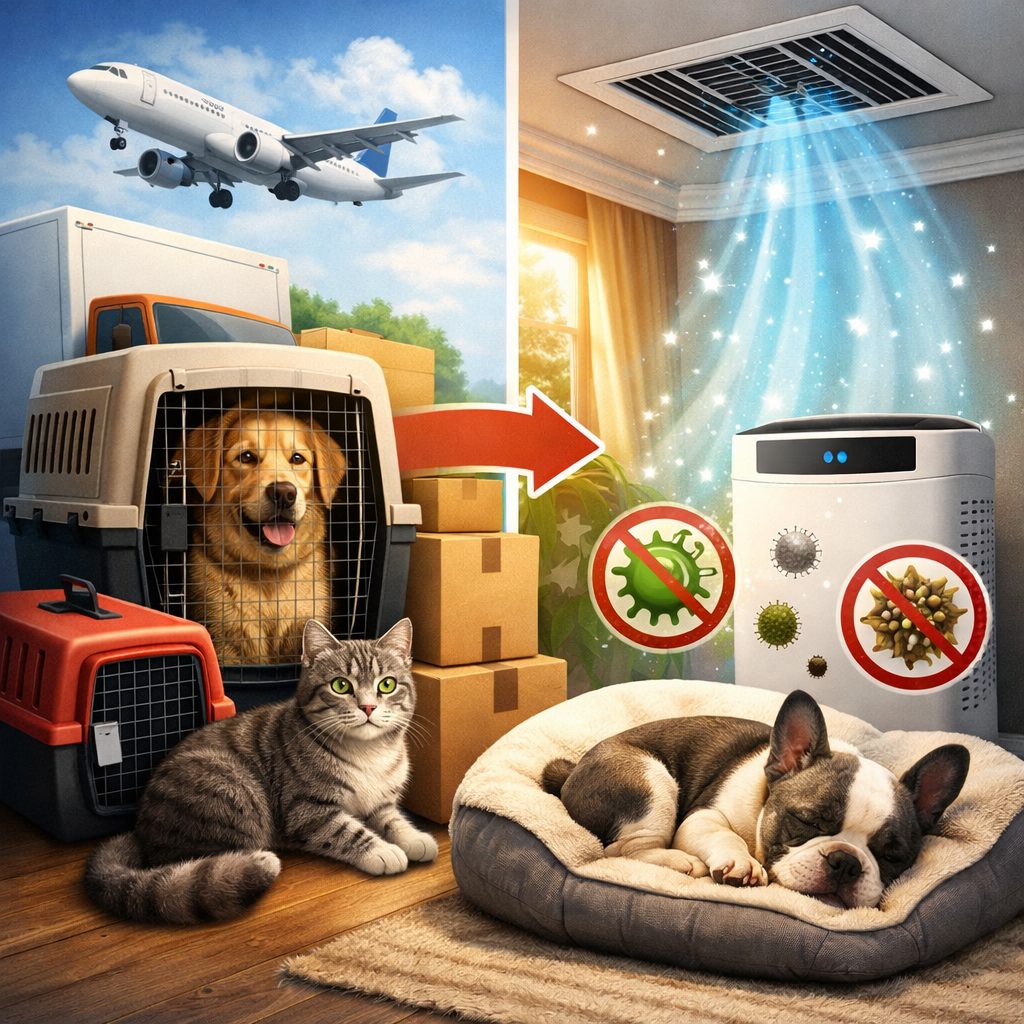
How nationwide pet relocation and home air quality intersect for pet wellness is a critical topic that many modern pet owners overlook during a major household transition. Moving across the country involves immense logistical coordination, which inherently places significant physiological and psychological strain on domestic animals. During this stressful transition, a pet’s immune system becomes highly vulnerable, making the environmental conditions of their new home incredibly impactful to their long-term health. Most families focus entirely on the transportation logistics, such as securing airline-approved crates or hiring professional ground transport teams. However, the true wellness journey begins the exact moment your animal crosses the threshold of the new residence. The indoor air quality of this new environment will either act as a healing sanctuary or a chronic respiratory trigger. Airborne particles, hidden mold spores, volatile organic compounds, and dust mites can severely aggravate an already stressed respiratory system. By understanding the deep connection between travel-induced stress and indoor air purification, you can create a seamless transition that protects your animal’s health. This comprehensive guide will analyze how relocation stress weakens your animal’s natural defenses, explore the science of residential air contaminants, and provide actionable steps to optimize your home HVAC system for maximum pet wellness.
Section 1: The Physiological Impact of Nationwide Relocation Stress
Moving across state lines alters every single component of a domestic animal’s daily routine, leading to an elevated state of psychological anxiety. When a dog or cat experiences prolonged travel stress, their endocrine system releases massive amounts of cortisol and adrenaline. These hormones are designed for short-term survival situations, but chronic elevation over days of travel actively suppresses the immune response. A suppressed immune system means that your pet’s respiratory lining becomes significantly less efficient at filtering out standard airborne pathogens. Dogs frequently suffer from travel-induced panting, which dries out their nasal passages and throat membranes, eliminating the natural mucous barrier that traps dust and spores. Cats, being highly territorial creatures, experience acute spatial disorientation during nationwide transport, causing them to exhibit immune-mediated physical symptoms upon arrival. Furthermore, long journeys in cargo holds, specialized ground vehicles, or unfamiliar public terminals expose your pet to high concentrations of foreign particulate matter and vehicle emissions. By the time your animal arrives at the destination, their respiratory tract is often inflamed, sensitive, and highly susceptible to secondary infections. Recognizing this physiological vulnerability is the crucial first step in understanding why immediate environmental management in the new home is completely non-negotiable for their physical recovery.
Section 2: Identifying Hidden Airborne Hazards in Your New Home
When you unlock the front door of a newly purchased or rented property, the indoor air is rarely as clean as it appears. Every residential property retains an environmental footprint left behind by the previous occupants, which can include heavy deposits of foreign pet dander, tobacco smoke residue, and deeply embedded carpet dust. If the property sat vacant during the real estate transaction, the lack of air circulation likely allowed microscopic mold spores to proliferate inside the wall cavities and under sinks. Furthermore, homeowners often perform extensive remodeling, painting, or deep cleaning right before moving in, which floods the indoor air with volatile organic compounds and chemical fumes. These microscopic toxins linger at ground level, precisely where your dog or cat sleeps, breathes, and explores. Because pets have a significantly faster respiratory rate than adult humans, they inhale a much higher volume of these airborne hazards relative to their total body weight. Short-muzzled brachycephalic breeds, such as French Bulldogs and Persian cats, are particularly endangered by these hidden atmospheric irritants due to their restricted nasal anatomy. Failing to clear these invisible airborne hazards can trigger sudden asthma attacks, chronic coughing fits, and severe skin texturing or allergic dermatitis in your recovering animal.
Section 3: Upgrading Your Residential HVAC System for Pet Recovery
Your home heating, ventilation, and air conditioning system serves as the primary respiratory system for your entire household, making it your most powerful tool for pet stabilization. Standard fiberglass filters are only designed to catch large dust bunnies to protect the mechanical equipment, offering absolutely zero protection against microscopic dander or airborne bacteria. To safeguard your pet, you must immediately upgrade to a high-efficiency pleated media filter with a Minimum Efficiency Reporting Value of either eleven or thirteen. A MERV eleven filter successfully captures small allergens, while a MERV thirteen filter upgrades your protection by trapping fine virus carriers and microscopic smoke particles. You must completely avoid true HEPA filters within standard residential HVAC units because their extreme density restricts regular airflow, potentially damaging your furnace motor. Instead, opt for a high-MERV pleated filter and commit to replacing it every thirty days during the initial move-in phase. Additionally, scheduling a professional air duct cleaning service right after relocation ensures that years of accumulated debris from previous tenants are permanently removed from the system. This mechanical intervention ensures that every cubic foot of air circulating through the new house is actively scrubbed, providing a clean atmosphere that allows your pet’s lungs to heal.
Section 4: Supplemental Air Purification and Behavioral Integration
While an upgraded HVAC filter handles the structural airflow, implementing localized air purification creates dedicated zones of high-density clean air for your pet’s recovery. Placing a standalone portable HEPA air purifier directly next to your pet’s primary bedding area provides an extra layer of defense where they spend the most time resting. These portable units utilize a dedicated internal fan to force air through dense membranes, capturing ninety-nine point ninety-seven percent of particles down to point three microns. This targeted filtration is incredibly beneficial during the first two weeks of acclimation, as your pet’s immune system slowly returns to its baseline operational state. To maximize behavioral integration, place familiar unwashed blankets from your previous home near the purifier, as the familiar scent anchors their security while the machine cleans the air. Maintaining indoor relative humidity between thirty and fifty percent is also crucial, as overly dry air keeps dander suspended longer, while excess humidity fosters mold growth. You can easily monitor these atmospheric shifts using an affordable digital indoor air quality monitor placed near floor level. Combining whole-home mechanical filtration with targeted room purification ensures that your pet is wrapped in a protective bubble of clean air, dramatically accelerating their emotional and physical decompression.
Conclusion
The intersection of nationwide pet relocation and home air quality is a fundamental element of holistic animal care that defines the success of your move. Moving across the country compromises your pet’s physical defenses through elevated cortisol production, leaving them completely vulnerable to the invisible atmospheric hazards lurking within a new property. Upgrading your home HVAC system to a high-quality pleated filter, maintaining a strict monthly replacement schedule, and utilizing targeted portable purifiers mitigates these environmental risks. Protecting indoor air quality is not a secondary luxury, it is a primary health requirement that actively shields your animal from chronic respiratory disease and relocation-induced illness. As you prepare for your upcoming journey, ensure that your moving checklist places environmental preparation on equal footing with transportation logistics. If you want to guarantee a safe transition, consider contacting a licensed heating and cooling professional to inspect your new home’s ductwork before your arrival day. Taking these proactive environmental steps ensures that your new house becomes a true sanctuary where your beloved companion can thrive for years to come.
Leave a Reply