




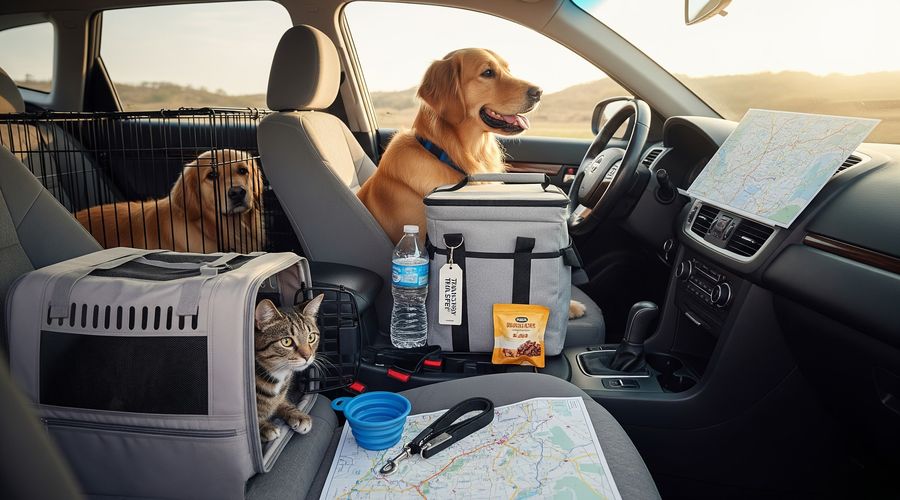
Transporting pets safely is about more than just crates, seat belts, or airline-approved carriers. One of the most overlooked yet critical factors is how hydration and diet affect a pet’s comfort, health, and stress levels during travel. Whether you’re taking a short car ride or planning a long-distance journey, what your pet eats and drinks before and during transport plays a major role in keeping them safe and calm.
From choosing the right Animal feed to understanding when and how much to offer water, smart preparation can prevent common travel issues like nausea, dehydration, anxiety, and digestive upset.
Why Hydration Matters During Pet Transportation
Every body activity requires water and traveling exposes a pet to dehydration. Pets can lose fluid faster than normal due to stress, panting, unfamiliar setting, and change of temperature.
Risks of Poor Hydration While Traveling
When pets are not properly hydrated, they may experience:
- Lethargy or weakness
- Dry gums and nose
- Excessive panting
- Increased anxiety
- Reduced ability to regulate body temperature
In extreme cases, dehydration can lead to serious medical emergencies, especially for puppies, senior pets, and breeds sensitive to heat.
How to Manage Hydration Safely
- Offer water 2–3 hours before travel, not right before departure
- Use spill-proof travel bowls or bottles
- Take breaks every 2–3 hours on long journeys
- Avoid forcing water, especially if your pet feels nauseous
Small, frequent sips are better than allowing pets to gulp large amounts at once.
The Relationship in Diet and Travel Safety.
Eating has a direct impact on digestion, energy, as well as general comfort. Eating improper kind of food or quantity of food prior to travelling may lead to motion sickness, bloating, or urination accidents.
The Reasons Why Diet Planning Is Important.
A pet’s digestive system does not respond well to sudden changes, particularly during stressful situations like travel. Poor food choices can cause:
- Vomiting or diarrhea
- Gas and discomfort
- Increased restlessness
- Refusal to eat after arrival
This is the reason why regularity and time are equally essential as food quality.
When Should Pets Eat Before Travel?
Eating at the right time would greatly decrease the number of digestive issues during travels.
General Feeding Guidelines
- Feed adult dogs 4–6 hours before travel
- Feed puppies 3–4 hours before travel
- Consumption of heavy meals just before traveling should be avoided.
- When on long journeys, divide into small mouths at the halting places.
Eating a full stomach is likely to cause nausea and an empty stomach can cause weakness or low sugar level, overextended.
Choosing the Right Food on Travel Days
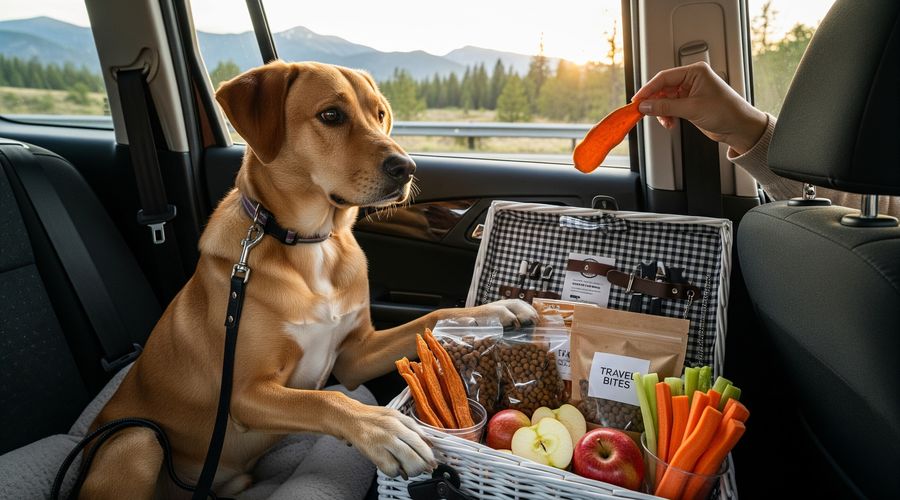
It is important to make sure that the food you bring along when taking your dog on a trip is one that is conducive to digestion and can give your dog a constant supply of energy. Eat what is known and routine so that their stomachs are not upset. The food must be easy to digest and composed of balanced protein and fiber.
Best Food Choices
Use a good quality dry or wet food product in a good dog food distributor. This will ensure that nutrition is consistent, a critical aspect when travelling. Avoid fatty, rich or new foods which will lead to digestive problems.
Foods to Avoid Before and During Transport
Even table scraps, raw or high-fat diets, and dairy products should be avoided. Even minor changes in your diet can upset the stomach of your pet during traveling.
Hydration and Diet for Different Types of Travel
Car Travel
In case of car driving, take frequent water breaks and have small food portions. Pets must never be left in parked vehicles that can be unsafe.
Air Travel
In the case of air travel, use airline feeding rules and do not feed 4 hours before the flight. Also, make sure that you stay hydrated prior to check-in to reduce dehydration due to the change in air pressure.
Do not feed your pet during short rides when he or she becomes motion sick. Carry water in case of emergency.
The Role of Quality Animal Feed in Travel Safety
Good-quality feed contributes to proper digestion in the stables, hydration, and immune health. Sourcing is reliable when it is done by a trusted distributor who will guarantee that the sourced will be safe, stored properly, and offered at the same nutritional levels so that the traveller does not suffer digestive problems.
Reliable sourcing matters. Purchasing from a trusted dog food distributor ensures food safety, proper storage, and consistent nutritional profiles, which helps prevent unexpected digestive problems during travel.
Practical Travel Feeding Checklist
Before you leave, make sure you have:
- Your pet’s regular food
- Clean, fresh water
- Travel bowls or bottles
- Measured food portions
- Healthy, familiar treats
Avoid last-minute changes. Preparation is the key to stress-free transport.
Small Choices Make a Big Difference
Safe transportation of pets does not merely focus on the vehicle or carrier. The effect of hydration and diet on the pet adaptation to movement, stress, and novel environment is a potent force. Considerable preparation, correct timing of meals, and regular food preference will prevent frequent health problems associated with travelling.
Due to the attention to the quality of Animal feed, sensible hydration, and consistent sourcing of a trusted distributor of dog food, pet owners can have their friends and companions safe, comfortable, and more relaxed during traveling.
Happier on the journey and healthier on the destination as well, a well-fed and well-hydrated pet is not merely happier.
Leave a Reply